

OCALA, FL (352today.com) – Long before modern wildlife protections reshaped Florida’s relationship with native species, an unusual industry briefly took hold across the state: the commercial harvest and canning of rattlesnake meat.
From the early 1930s through the mid-20th century, entrepreneurs turned one of Florida’s most feared reptiles into novelty food and byproducts, an enterprise that reached regions including Arcadia and extended through supply networks tied to North Central Florida, including Ocala and Gainesville.
On May 22, 1931, in Arcadia, George K. End, a World War I veteran and taxidermist, launched what became Florida’s most documented rattlesnake canning operation under the Floridian Products Corporation. Surrounded by scrubland rich in eastern diamondback rattlesnakes, End promoted the idea that rattlesnake meat was edible, marketable and profitable.
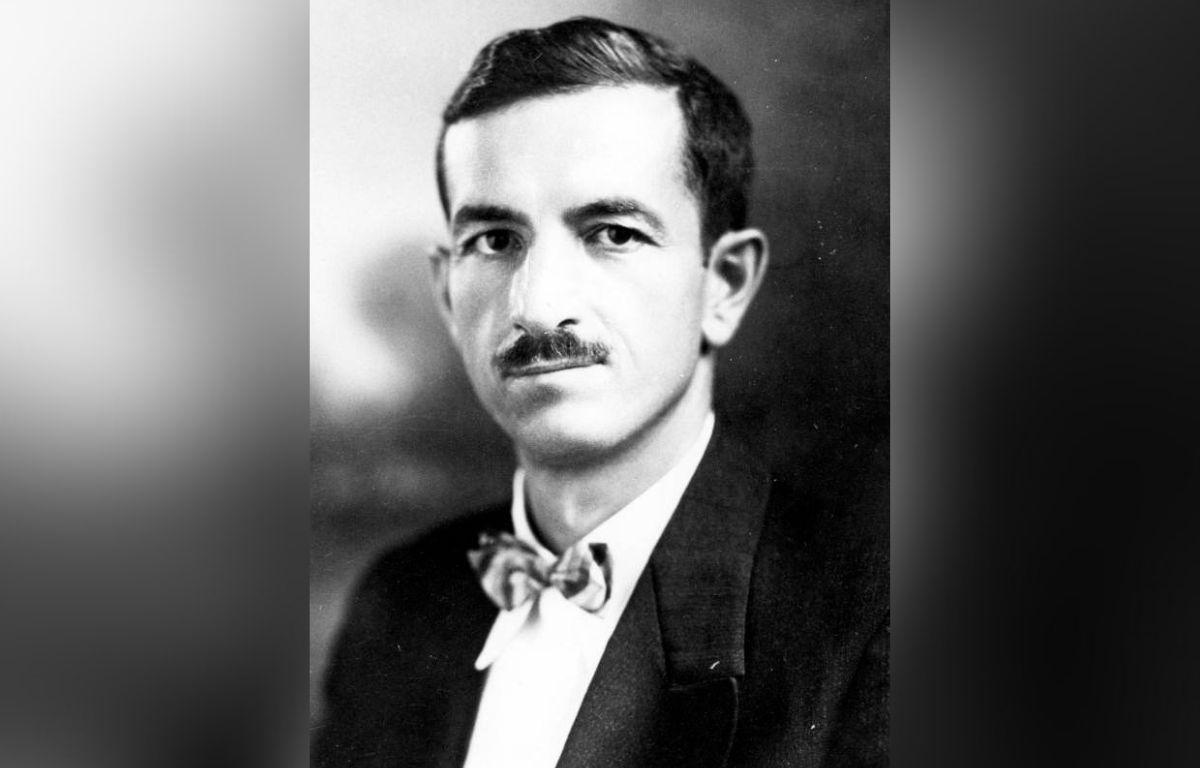
Courtesy: Charles A. Moore, courtesy of State Archives of Florida
His company sold canned rattlesnake meat–sometimes advertised as “chicken of the glades” and prepared in “supreme sauce”–along with skins, rattles, oil and venom. By 1940, historical records indicate the operation was producing as many as 15,000 cans annually, relying on local hunters to capture snakes from surrounding rural areas.
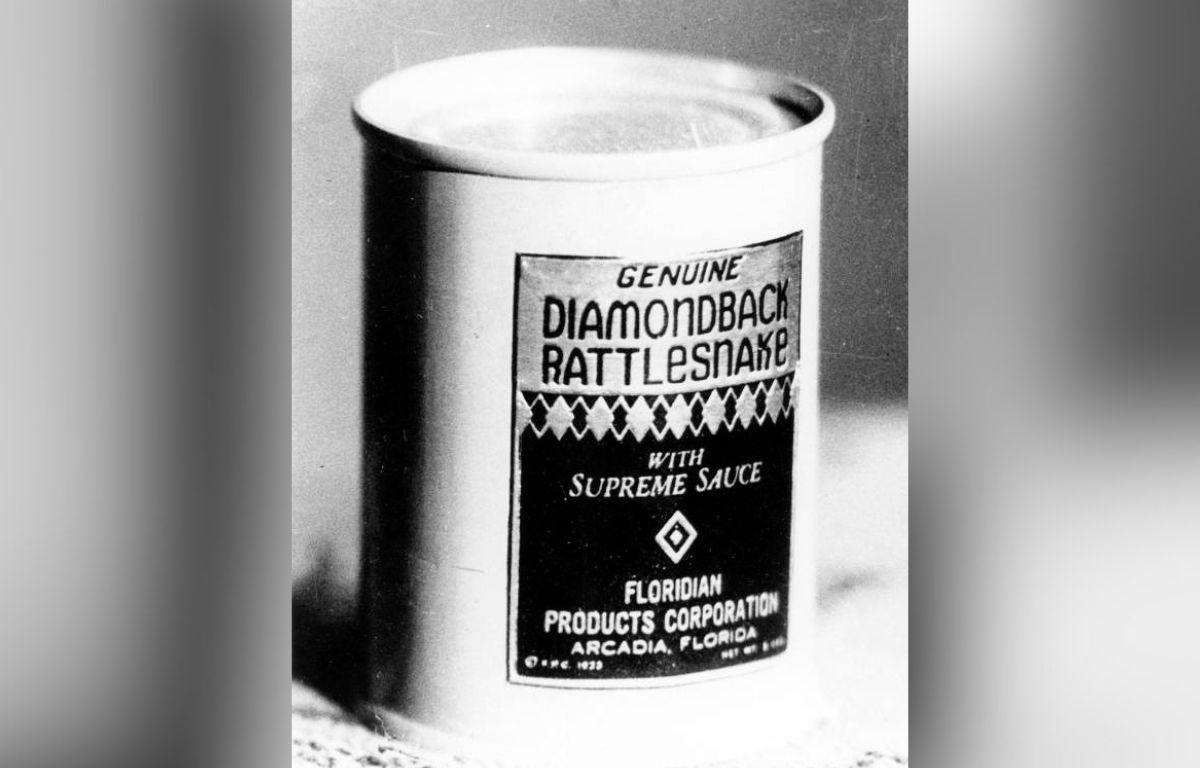
Courtesy: Charles A. Moore, courtesy of State Archives of Florida
Although no cannery is known to have operated directly in Ocala or neighboring areas, the broader region played a role in the trade. Eastern diamondbacks were common throughout Florida’s pine flat-woods, including Marion and Alachua counties, and snakes captured in those areas were sold and transported to processing sites elsewhere in the state. Gainesville’s rail access and Ocala’s agricultural economy placed both cities within the commercial routes used for wildlife products during the period.
End’s business later moved closer to Tampa, where it expanded into a combined processing facility and retail operation. Live rattlesnakes were sometimes displayed, and visitors could purchase canned meat and other snake-derived products. The venture was risky, however, and in 1944, End died from a rattlesnake bite. Following his death, the company’s equipment and formulas were sold.
Those materials were reportedly acquired by Ross Allen, a Florida native and well-known herpetologist. Allen operated the Ross Allen Reptile Institute from 1929 to 1975 and was already heavily involved in venom extraction for medical and scientific use, particularly during a period when antivenom research was expanding. While Allen contributed significantly to reptile education and research, his work also reflected an era when large-scale snake harvesting was common and largely unregulated.
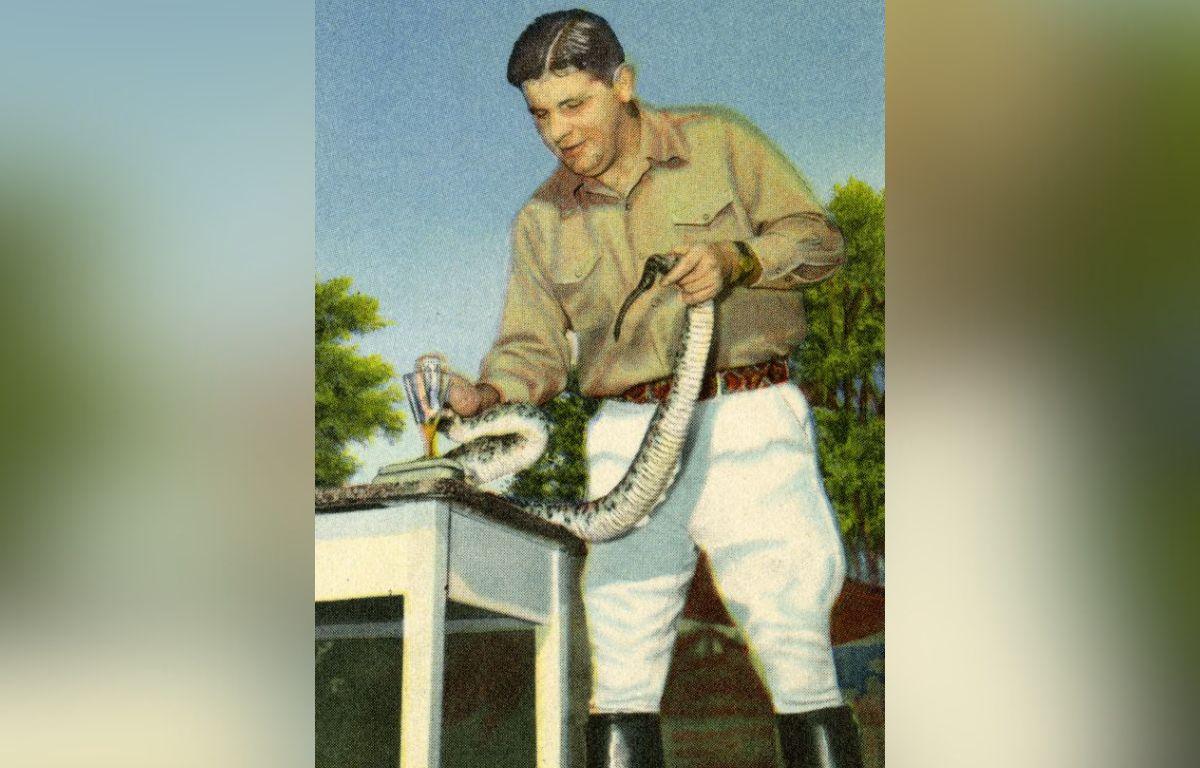
Courtesy: State Archives of Florida/Florida Memory
By the mid-20th century, the rattlesnake canning industry began to disappear. Shifting public attitudes toward wildlife exploitation, declining snake populations, habitat loss and increasing regulation made the trade unsustainable. Eastern diamondback rattlesnake, once widespread across Florida, are now considered at risk in parts of their historic range.
Today, no rattlesnake cannery remains in Florida. Unlike most defunct Florida attractions, the industry left few physical traces. Its legacy survives through archived newspaper accounts, advertisements and historical photographs–a reminder of a brief period when rattlesnakes were viewed less as wildlife to protect and more as a resource to be harvested.